The internet's summer of 2026 produced an unlikely new star: a round wild raccoon from Seattle named Jimothy. Clips of him waddling across a lawn spread worldwide, prompting major brands to jump into the joke, from a tire company and a beauty retailer to global games. More than three months later, the trend still has legs, with Fortnite reportedly bringing Jimothy into the game in October. This article rounds up which brands did what, and answers whether this counts as viral marketing.
Who Is Jimothy: The Round Raccoon the World Loves
Jimothy is a wild raccoon living in Seattle's Ballard neighborhood. He is not a pet and has no owner. His defining feature is an unusually short, round body, which wildlife experts believe is caused by short spine syndrome, a congenital condition. He rose to fame after Seattle resident Kiana Hall filmed him running across a lawn and posted the clip to Instagram on July 13, naming him Jimothy because he "looked like a Jimothy." Within days, the clip passed 10 million views, local media dubbed it a "Hot Jimothy Summer," and Seattle city councilmembers later officially proclaimed 2026 "Jimothy Summer." People love him not just for his cuteness, but because he symbolizes resilience, and his story is one of the rare internet trends built purely on positivity.
Which Brands Jumped on the Jimothy Trend
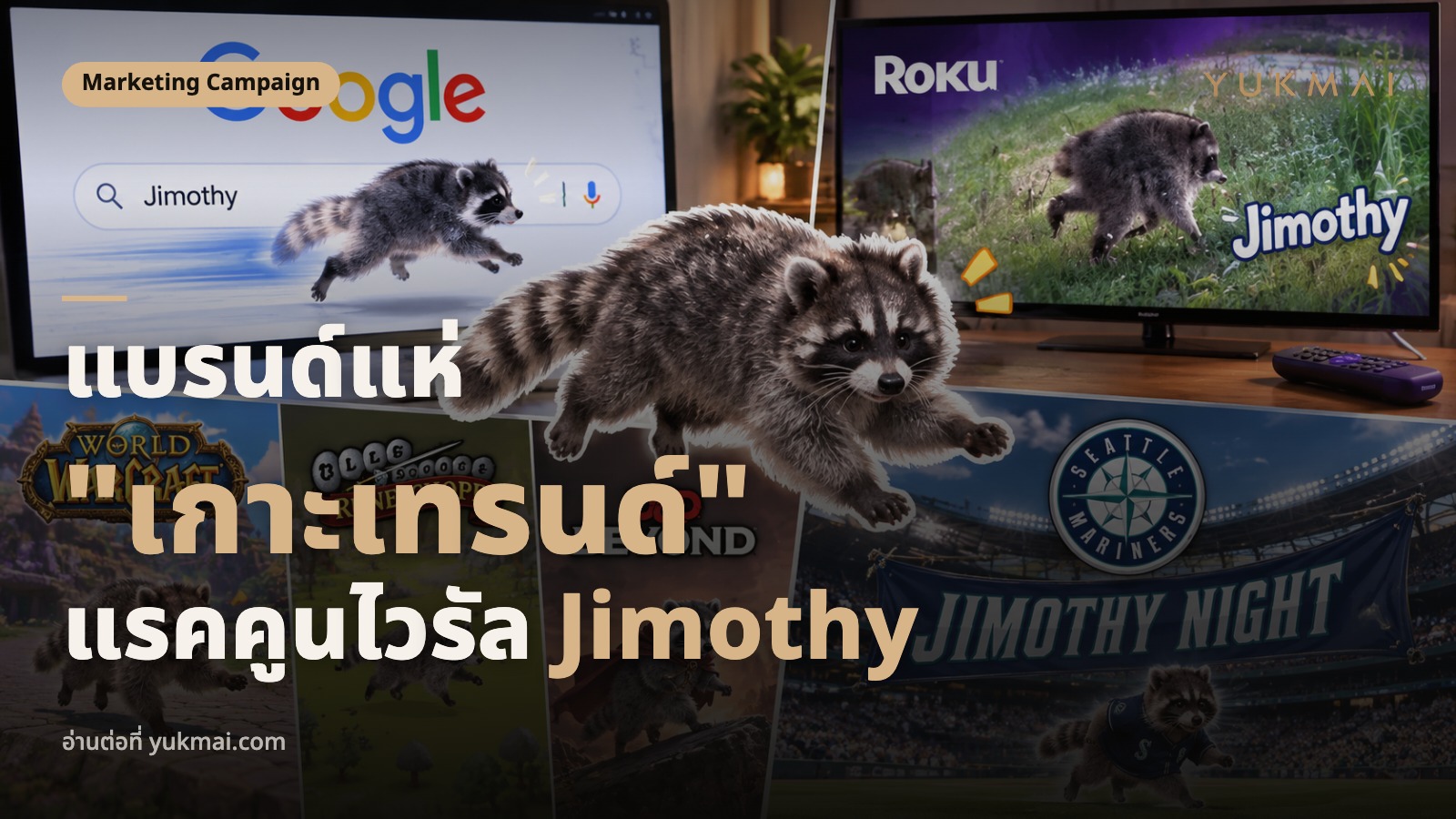
The most talked-about early example was Goodyear, which posted on X that if Jimothy is crossing the road, your tires had better be able to stop, urging Seattle drivers to check their tread. In consumer goods, meat-snack brand Slim Jim commented on a TikTok clip that Jimothy must be protected at all costs; Sephora posted an image of Jimothy holding its black-and-white shopping bag, joking that now we know how he gets his smoky eye; and Budweiser acknowledged him on Instagram. In tech, Google added an Easter egg sending an animated Jimothy across the screen when users search his name, and Roku placed a digital Jimothy in Roku City, its TV screensaver. Games were especially active: Blizzard rendered Jimothy in World of Warcraft style, Jagex did the same for Old School RuneScape, and D&D Beyond released a stat block for tabletop players. Most recently, Fortnite reportedly added a free Jimothy sidekick during its Fortnitemares event in October, while the Seattle Mariners hosted a "Jimothy Night" with themed cards and shirts. Beyond brands, even NASA posted that Jimothy runs the city.
Does It Count as Viral Marketing?
The answer is "yes, but a specific kind." In marketing terms, what these brands did is called newsjacking, using a trending story to promote a product or message, also known as real-time marketing or trend-jacking, which is one tactic within viral marketing. The key difference is that in traditional viral marketing, a brand creates content designed to be shared, such as an ad built to go viral. With Jimothy, the viral moment arose organically from an ordinary user and belongs to no brand, so brands are simply "borrowing" attention that already exists. Marketers note the real goal is usually not to sell tires or talk about Jimothy, but to capture attention, which is valuable currency today; if a brand makes people stop scrolling, laugh or share, the campaign has already succeeded.
What Made This Newsjacking Work
Goodyear is the example marketers cite most, because it tied a viral wildlife moment to tire safety in a way that felt relevant rather than forced. From the Jimothy case, four principles stand out. First, relevance: the joke must connect to the product or brand identity, like Goodyear and braking or Sephora and a raccoon's eye markings. Second, speed: most brands joined in during the first weeks as the trend was rising. Third, platform-native execution, such as Slim Jim's short TikTok comment instead of a full ad. Fourth, leaning on unique strengths: game brands brought Jimothy into their own worlds, something no other brand could do.
Risks Brands Need to Know
Newsjacking is not all upside. The first issue is animal welfare: Jimothy is a wild animal with a physical condition, experts urge people to admire him from a distance and not feed or approach him, and some outlets have questioned whether he may be suffering, so brands must avoid appearing to profit from an animal's abnormality. The second is politics: when the White House posted an edited image of Jimothy in a pro-Trump hat, it drew backlash, showing how a neutral, feel-good trend can turn divisive once pulled into politics. The third is intellectual property: as a wild animal with no owner, unlike Grumpy Cat or Doge, which had identifiable owners from the start, IP experts say it would be hard for anyone to claim the name, even though someone has filed to trademark "Jimothy" for stuffed animals. Finally, there is fake content: many AI-generated videos place Jimothy in fictional adventures, so brands should verify images before using them.
Lessons for Thai Brands
Trends like Jimothy pop up in Thailand all the time, whether animals, characters or memes that suddenly take off. For Thai brands looking to ride a trend, three questions are worth asking before posting. First, is the joke genuinely connected to our product or identity? If it takes a long explanation, it is not. Second, are we still early enough? Jumping in after a trend fades can look out of touch rather than clever. Third, is there brand risk, such as mocking differences, animal welfare or politics? If a post passes all three, trend-riding can be a very low-cost, effective way to build awareness. But the attention is temporary; the brands that win long term are those that use such moments to consistently reinforce who they are.