

As soon as the calendar turned to November, the Christmas ads arrived. This year Tesco and Sainsbury's, two of Britain's biggest supermarkets, both released new films on Nov. 1, 2026, while Debenhams launched in mid-October. It is a clear example of seasonal marketing, a tool brands of every size can use, not only at Christmas.
What Seasonal Marketing Is and Why Christmas Matters
Seasonal marketing means timing campaigns to moments when people already have a reason to buy, such as festivals, long holidays or seasons, instead of having to create demand from scratch. Christmas and New Year form the biggest selling period of the year in many countries. The National Retail Federation (NRF) forecasts US sales in November and December 2026 of $1.01 trillion, up 4.2% from a year earlier. Deloitte projects $1.70 trillion to $1.71 trillion for November 2026 through January 2027 and says consumers still want to make the holidays special but are spending more deliberately, switching brands and waiting for promotions.
Starting Early: Tesco and Sainsbury's Launch on Nov. 1
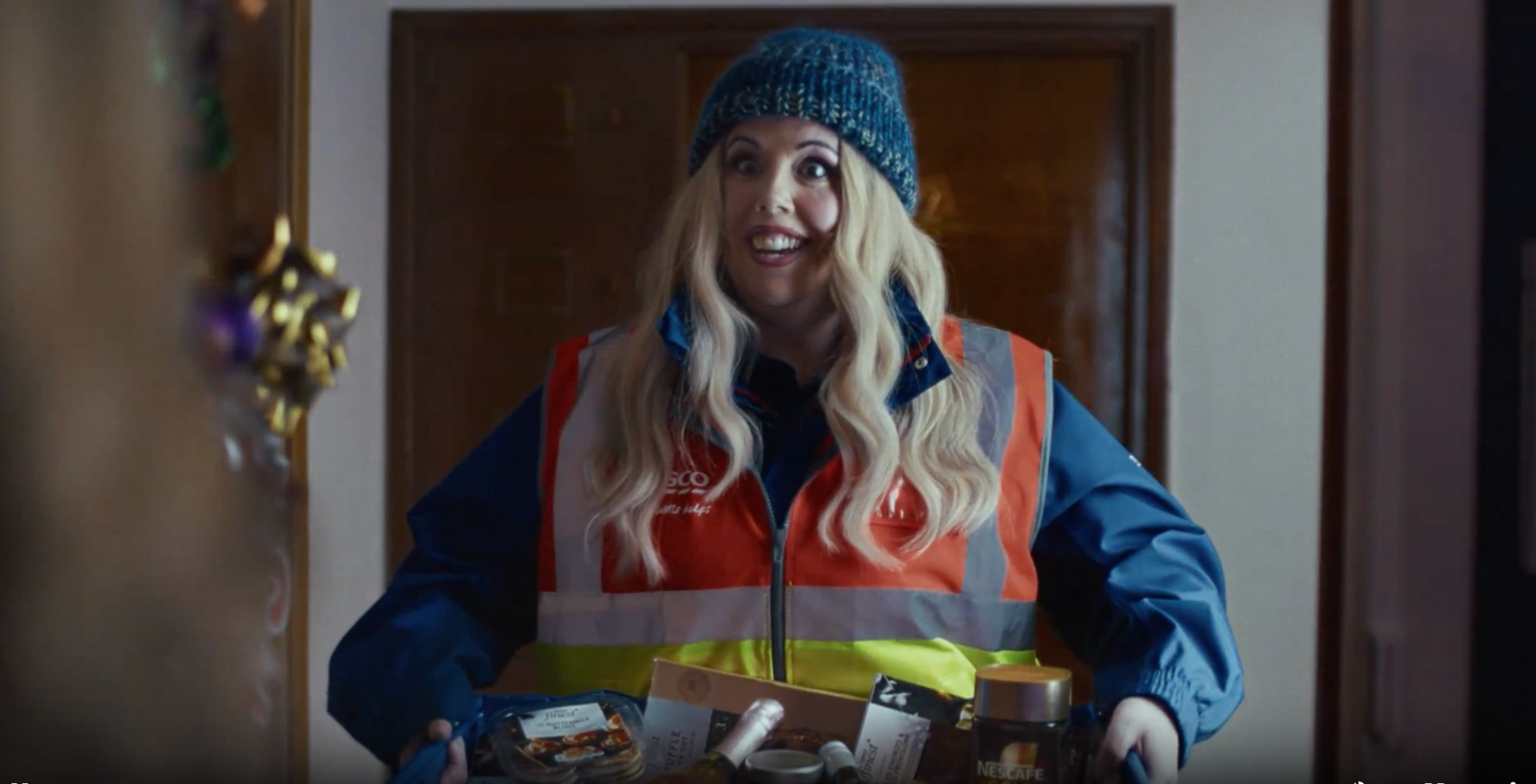
Timing matters a great deal in seasonal marketing. Brands that launch first have a better chance of being remembered and of capturing early gift shoppers. Tesco launched "The Wrong Address" on ITV, the story of a delivery driver who ends up on a road trip with an old school friend after a Christmas order goes to the wrong house. Debenhams released a four-minute romantic comedy in mid-October. Arriving early carries risk, though. Some viewers complained that Sainsbury's ad, which aired the same day, came too soon, so brands have to balance being first against making people feel rushed into the holidays.
Familiar Characters: The BFG, The Muppets and Brand Mascots

Several of this year's Christmas ads use characters people already know to create emotion quickly. Sainsbury's tells the story of the BFG catching a cold and missing Christmas, until two children deliver a Taste the Difference dinner to his cave. Walmart teamed up with Disney and The Muppets for a Muppets-style take on the opening number of Scrooge. Argos cast Richard Ayoade as someone struggling to choose a gift for his mum, with brand mascots Connie and Trevor as the ghosts of Christmas past. The advantage is that viewers understand the story instantly and remember the brand through its characters, while the product becomes part of the story rather than a hard sell.
Celebrities and Craft for the Right Audience: Sephora and Prada
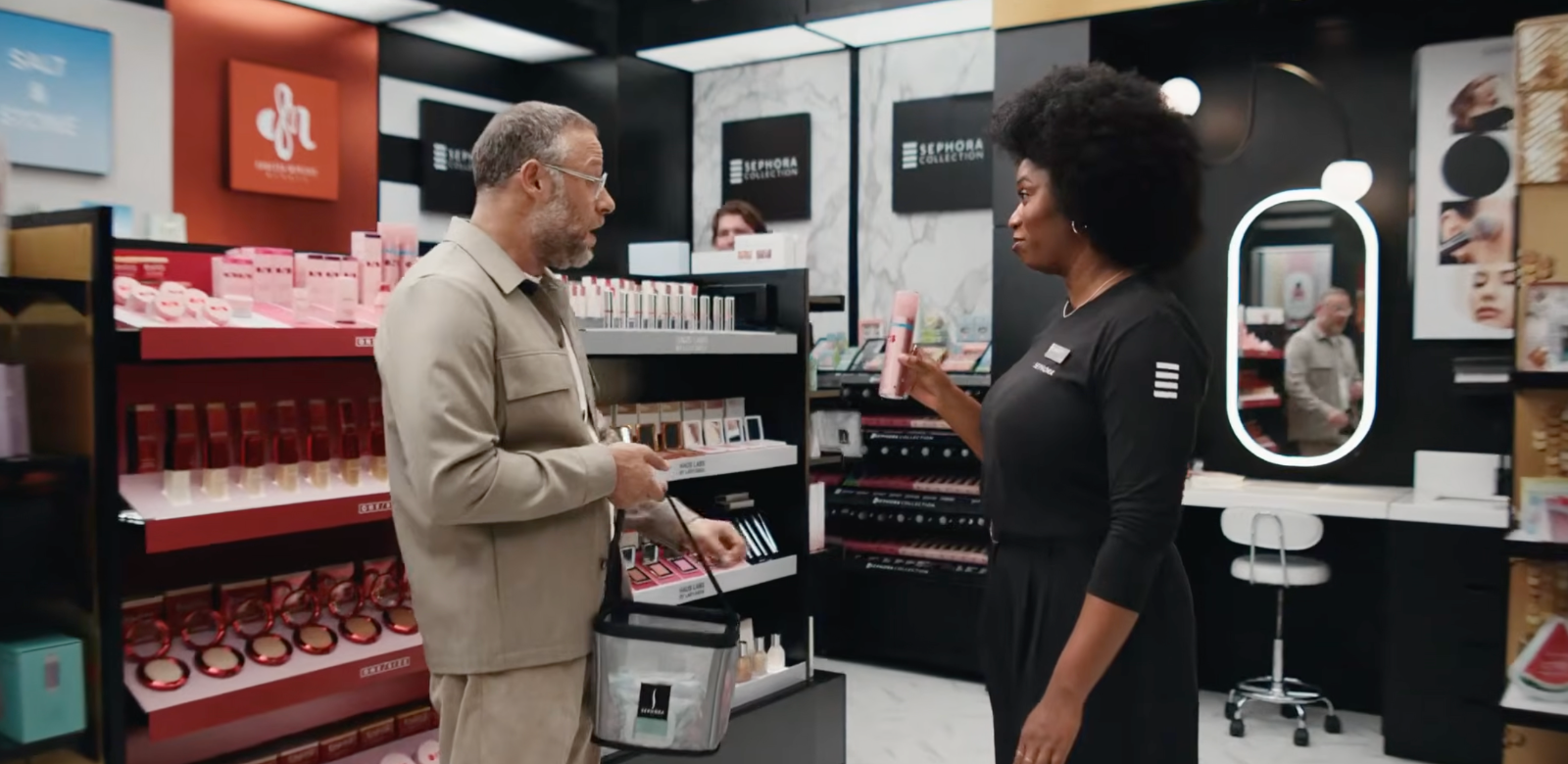
Beauty and fashion brands took a different route. Sephora opened its Christmas campaign with a gift guide nicknamed SETHORA, fronted by comedian Seth Rogen, turning an ordinary gift guide into content people want to share. Prada's "Drawing Prada" campaign blends hand-drawn illustrations by former Disney animator John Pomeroy with live action, featuring actors including Sadie Sink and Maya Hawke. Both brands show that seasonal campaigns do not have to be tearjerkers, but they should fit the brand's personality and its customers.
Channels to Prepare: Mobile, AI and Buy Now Pay Later
Adobe's data shows holiday shopping keeps moving to digital channels. Adobe forecasts US online sales from Nov. 1 to Dec. 31, 2026 of $275.1 billion, up 6.7%, with about 57.4% spent on mobile. Cyber Monday is expected to be the biggest online day at $15.1 billion, and traffic to retail sites from AI tools is forecast to rise 130%. Buy now, pay later spending in November and December is expected to reach $21.3 billion. A seasonal campaign therefore does not end with the ad itself. It has to carry through to mobile product pages, product information that AI tools can read, and the payment options customers want.
Lessons for Marketers: Plan the Seasonal Calendar Early
The first lesson is to plan the campaign calendar months ahead. Big UK brands prepare their Christmas films from mid-year so they are ready to launch the moment November begins. Thai brands can apply the same approach to 11.11, 12.12, Christmas and New Year, which fall close together. The second lesson is that a good story should tie into the product naturally, as Sainsbury's did by putting its own dinner at the heart of the plot. The third is to think through every point where customers meet the brand, from the ad and social content to the mobile storefront. Finally, watch the timing, because arriving too early can leave people tired of the season before it really begins.