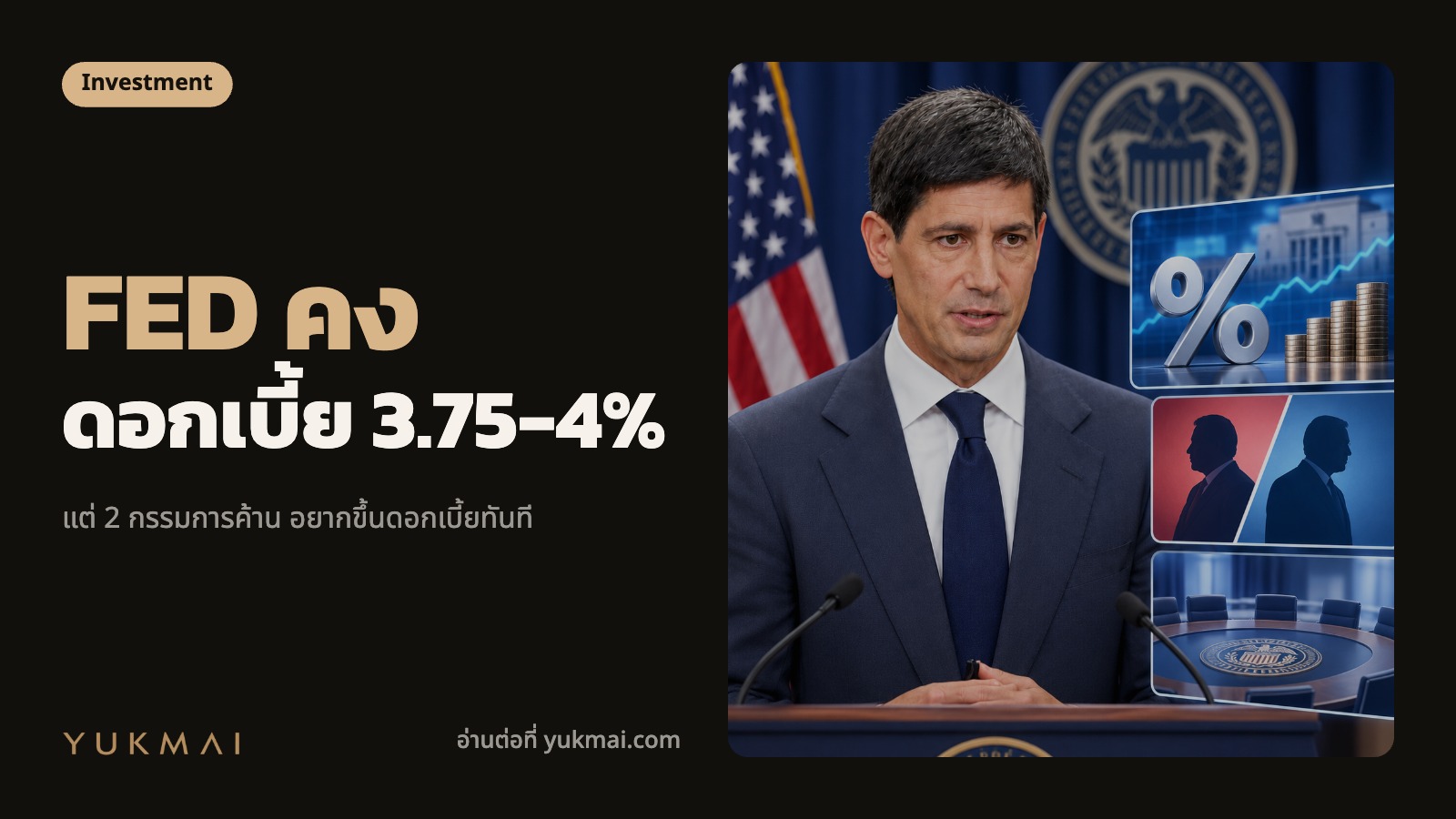
The Federal Reserve held its benchmark interest rate at 3.75%-4% at its Oct. 28, 2026 meeting, but the decision was not unanimous. Two officials dissented, preferring an immediate rate hike. The vote came with inflation still well above the Fed's 2% target and just six days before the US midterm elections.
Fed Holds Rates at 3.75%-4% After September Hike
The committee voted 10-2, following September's quarter-point hike, which was the Fed's first increase since 2023 and the first under Chair Kevin Warsh. The statement added that the accumulation of more information will help the committee determine its policy stance, and it dropped September's line saying a hike would support a timelier return to the 2% goal. The Fed also upgraded its description of the economy from expanding at a "solid" pace to expanding at a "strong pace."
Lisa Cook and Beth Hammack Dissent in Favor of a Hike
Governor Lisa Cook and Cleveland Fed President Beth Hammack dissented, both favoring an immediate quarter-point increase. Fortune reported that it was the first time since October 1992, or 34 years, that a Fed governor and a regional bank president dissented in the same direction. Hammack also dissented for the same reason in July, while this was Cook's first dissent since joining the board in 2022, and many economists had not expected it. Warsh said after the meeting that the overwhelming consensus was that the Fed's approach is starting to work, but that there were no firm conclusions yet, so the committee chose to wait for more data.
3.7% US Inflation Keeps a December Fed Hike in Play
Consumer prices rose 3.7% from a year earlier in September, driven largely by gasoline, and inflation is approaching the three-year high it reached in May. Before the meeting, CME FedWatch put the odds of a December hike at about 78%, and several analysts described the next increase as largely priced in. Some strategists said futures imply two more hikes over the next year.
What Investors Should Watch: High Long-Term Yields
After Warsh's press conference, the S&P 500 and Nasdaq each rose about 0.2%. The 2-year Treasury yield fell to about 4.7%, but the 10-year yield rose to about 5.04% and the 30-year to about 5.37%, a sign that markets remain worried about long-term inflation. For investors and business owners, long-term borrowing costs are unlikely to ease soon, so it makes sense to keep extra liquidity and to plan investment or expansion around the possibility of another hike in December. The next things to watch are the inflation and jobs reports ahead of the next meeting, and whether the number of dissents grows.