
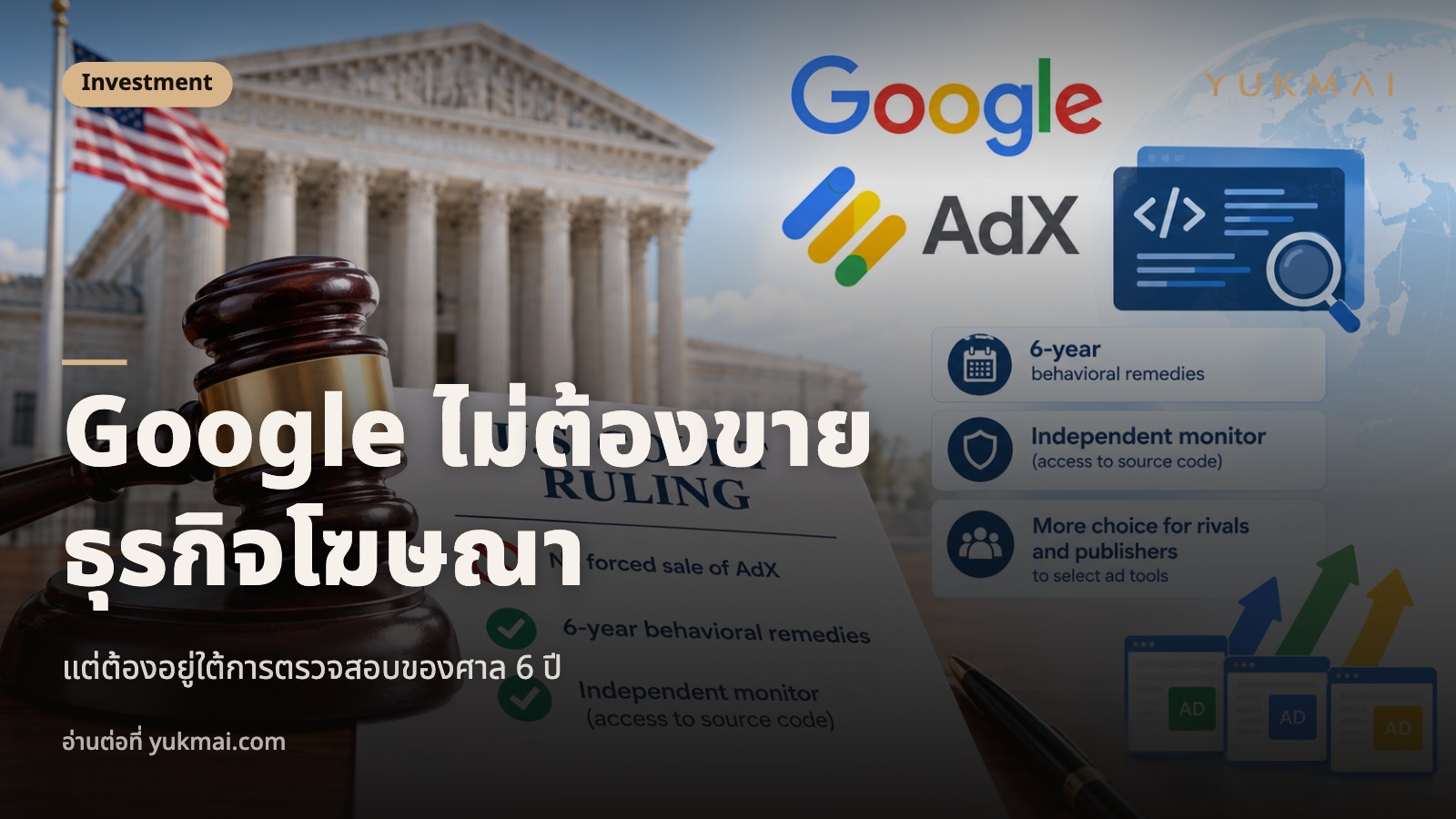
Google has escaped a breakup once again, but not without strings attached. A federal court in Virginia ruled that Google does not have to sell its advertising technology business, even though the same court had found it illegally monopolized that market. Instead of a breakup, the court chose behavioral remedies that amount to six years of court-supervised "probation," with a court-appointed monitor watching closely. The ruling affects advertisers, publishers and ad tech companies worldwide, because the court ordered the remedies to apply globally, not just in the US. The case is now awaiting the court's signature on a final judgment.
The Case: Google Illegally Monopolized Ad Tech
The Justice Department (DOJ) and 17 states sued Google in January 2023, alleging it tied its ad tools together and manipulated ad auctions to protect a monopoly. On April 17, 2025, Judge Leonie Brinkema ruled that Google illegally monopolized the markets for open-web display publisher ad servers (DFP) and ad exchanges (AdX) and unlawfully tied DFP to AdX, though the government failed to prove its claim on advertiser ad networks. AdX is the marketplace connecting websites that sell ad space with advertisers, running instant auctions as users load pages, with Google charging publishers a fee of about 20%.
The Court Rejected All Three Breakup Proposals
On Sept. 2, 2026, Judge Brinkema rejected all three structural remedies the government sought: selling AdX, open-sourcing DFP's final auction logic, and a contingent divestiture of the rest of DFP. She accepted most of the behavioral remedies both sides proposed, with modifications. Her reasons included that divestitures are not typically applied in tying cases, the length and uncertainty of appeals, the risk to small publishers who use DFP for free, and the fast pace of ad tech, which she likened to trying to shoe a galloping horse. Al Jazeera noted it was the third time in recent years US enforcers have tried and failed to force a Big Tech breakup; in the separate search case, another court declined to make Google sell Chrome.
Six Years of "Probation": What Google Must Do
The full 106-page opinion, unsealed in mid-September, sets out key requirements. Publishers using DFP will no longer have to use AdX, and AdX must bid into rival publisher ad servers on the same terms it offers DFP. Google must publish technical documentation explaining how DFP selects auction winners and share real-time bid data with all publishers. Publishers must be able to access and export their own data from DFP and AdX, making it easier to switch providers. Crucially, Google Ads (formerly AdWords) is barred from bidding preferentially into AdX or other Google tools. All of this will be overseen by a monitor and technical committee for six years, shorter than the 15 years the government sought, though the court can extend the term if the goals are not met. The monitor will have full access to Google's staff, systems and source code, and all remedies must be implemented within 15 months. Even while choosing behavioral remedies, the judge cited a lack of trust that Google would comply with the court's orders.
Worldwide, Not Just in the US
A key point for marketers outside the US is that the court rejected Google's argument to limit the remedies to the United States, reasoning that worldwide application simply means consistent product changes across regions. That means websites and publishers in Thailand using Google Ad Manager will also be affected, gaining freedom to use rival ad servers or exchanges and the right to export their own data.
Not Over Yet: Awaiting a Final Judgment and Google's Appeal
Although the direction is clear, the court has not yet signed the final judgment. On Oct. 2, the parties filed a 41-page proposed judgment showing both agreed terms and remaining disputes, such as how quickly Google must open AdX to rivals (the government wants six months, Google 12), how the monitor is chosen, and how long Google has to contest issues raised by the monitor (15 days versus 30). The judge must resolve these before signing, and the remedies take effect 60 days after that. Google has said it disagrees with the monopoly ruling and plans to appeal.
Reactions From Both Sides
Google said it was pleased the court rejected a plan to break apart tools that help small businesses reach customers. The DOJ called the ruling a significant victory, noting that its efforts during the remedies phase pushed Google to broaden the inventory covered and disclose more about how its auctions work. Advocacy group The Tech Oversight Project argued the rulings prove courts alone will not rein in Big Tech, while some in the ad tech industry noted that a forced divestiture would have been tied up in court for years anyway.
What It Means for Marketers and Investors
For marketers and publishers, the real impact depends on how rigorously these behavioral remedies are enforced. Over the next 15 months, publishers should gain more freedom to mix Google tools with rivals such as Prebid, potentially lifting revenue through more transparent price competition, while advertisers buying through Google Ads may see changes in how the system chooses inventory. For Alphabet investors, the ruling removes the biggest risk, a forced sale, but leaves compliance costs and the risk that AdX's fee take shrinks as rivals gain easier access. Key things to watch are when the final judgment is signed, the appointment of the monitor, and the outcome of appeals in both the ad tech and search cases.