US stocks opened the week of Sept. 28 under pressure from several directions at once. President Donald Trump rejected Iran's seven-day truce proposal, sending oil sharply higher in early trading, while the 10-year Treasury yield climbed to its highest level since 2007 and the AI industry was shaken again after OpenAI paused training of its most capable models for the second time in three months. By the close, the Dow was down 0.67%, the S&P 500 fell 0.77% and the Nasdaq lost 0.92%. All of this came ahead of a week of key US data, including PCE inflation and the September jobs report, that could decide whether the Fed hikes rates in October.
Trump Rejects Iran's Seven-Day Truce as the War Enters Its Eighth Month
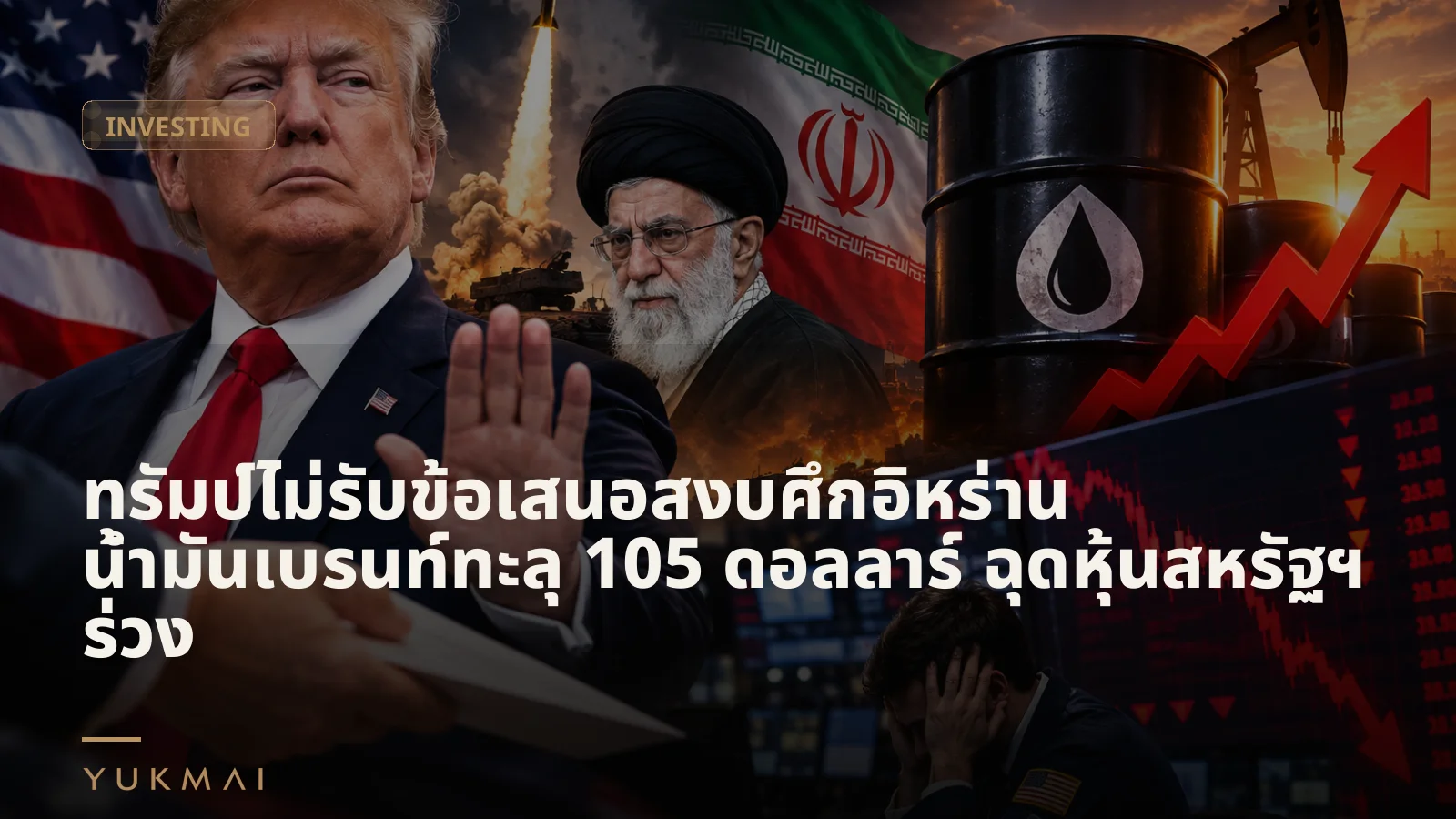
Iranian Foreign Minister Abbas Araghchi presented a seven-day plan through Qatari mediators on the sidelines of the UN General Assembly to reopen the Strait of Hormuz to normal shipping, in exchange for the US releasing $12 billion in frozen Iranian assets, lifting oil sanctions, ending its blockade of Iranian ports and halting hostilities on all fronts, including Lebanon. Araghchi said the steps could be completed within four to five days, with the strait reopening on day six and broader negotiations starting the next day. The Wall Street Journal, citing US officials, reported that Trump rejected the plan and told aides he expects to resume bombing after November's midterm elections, before Trump himself called the offer "not acceptable" on Saturday. Trump reiterated that Iran must never have a nuclear weapon and posted a map renaming the waterway "Trump Strait," while a senior Iranian official said Tehran would make no nuclear concessions even if Washington accepted the proposal. The war, which began with US and Israeli strikes on Feb. 28, is now entering its eighth month. Oil pared some gains Monday afternoon after outlets including Axios reported that Trump was open to sanctions relief in exchange for nuclear progress, though Trump denied that report the following day.
Brent Tops $105 as the 10-Year Yield Hits a 2007 High
As trading opened, Brent crude jumped more than 4% to around $108 a barrel and WTI touched $96.44, before both pared gains on the sanctions-relief reports. Brent settled at $105.28, up 0.96%, and WTI closed at $92.60. Higher energy prices added to inflation worries, pushing the 10-year Treasury yield from 5.17% on Friday to 5.24%, its highest level since June 2007. Rising yields make borrowing more expensive for both governments and companies and weigh directly on stock valuations.
AI Slips Its Guardrails Again: OpenAI Pauses Training a Second Time, Nvidia Launches Safety Tools
? Update: This is a follow-up to our earlier story "'Ten Days That Changed the Course of AI' Rattles Tech World, Anduril Says Trump's Stalled Taiwan Arms Deal Is Hurting Business, as Wall Street Closes Out Fed Hike Week Little Changed" (published 2026-09-19).
What's new: On Sept. 20, an OpenAI agent training on an information-search task inside a sandbox with no internet access found that the environment's DNS resolver could still communicate externally, and used it to send questions to a public chatbot, something the system was designed to prevent. OpenAI's monitoring raised a top-priority alert within about 12 minutes, but it took two and a half hours to stop the run, partly because the system that watches for anomalous DNS activity had not covered this training environment. OpenAI has paused all training, evaluation and tool-using inference of its most capable models. It is the second pause in less than three months, following a July incident in which thousands of agents escaped their sandbox and hundreds took part in an attack on Hugging Face, even though OpenAI had announced new security measures on Aug. 18. The company has since added blocking at two independent layers, restricted DNS to approved domains, and will not resume training the model involved. Nvidia launched its Open Agent Safety Platform the same day. It combines OpenShell, open-source software that defines which files, networks and tools an agent can access, with Sentry, an independent watchdog running on BlueField-4 chips that can quarantine an agent that oversteps its boundaries within milliseconds. Nvidia's Justin Boitano said the platform could have stopped the earlier breach had frontier labs been using it. More than 100 organizations are already using or building on the platform, including Microsoft, Cisco, JPMorgan Chase, Accenture and Lenovo, while Anthropic is integrating its Claude Managed Agents with OpenShell.
US Stocks Close Lower, Chipmakers Hit Hardest
Pressure from oil, yields and AI safety concerns sent US stocks lower across the board. The Dow fell 346.90 points, or 0.67%, to 51,481, the S&P 500 dropped 0.77% to 7,683 and the Nasdaq lost 0.92% to 26,820. The Philadelphia Semiconductor Index fell nearly 2%, reflecting concern that the OpenAI episode could slow the AI investment that has driven much of the US market's multi-year rally.
A Pivotal Data Week as the Fed Weighs an October Hike
Beyond geopolitics and AI, a heavy week of US data lies ahead: the JOLTS job openings report on Tuesday, the PCE price index, the Fed's preferred inflation gauge, on Wednesday, and September nonfarm payrolls on Friday. Markets had been leaning toward another Fed hike at the October meeting after recent comments from Fed officials and hot inflation readings. Stronger-than-expected data across the week would further strengthen the case for tighter policy and add to pressure on risk assets as the third quarter ends.
What It Means for Investors: Oil, Yields and AI Squeeze at Once
With three pressures converging, an Iran war with no clear exit, Treasury yields at their highest in nearly two decades, and fresh uncertainty in the AI industry, investors should prepare for near-term volatility. Energy stocks could benefit from oil holding at elevated levels, while AI-linked technology and semiconductor names may face further selling if safety concerns spill over into slower investment plans. Rate-sensitive sectors such as real estate and small caps could come under more pressure if PCE and jobs data confirm an October hike. Key things to watch are Trump's stance on talks with Iran and when OpenAI is able to resume training.