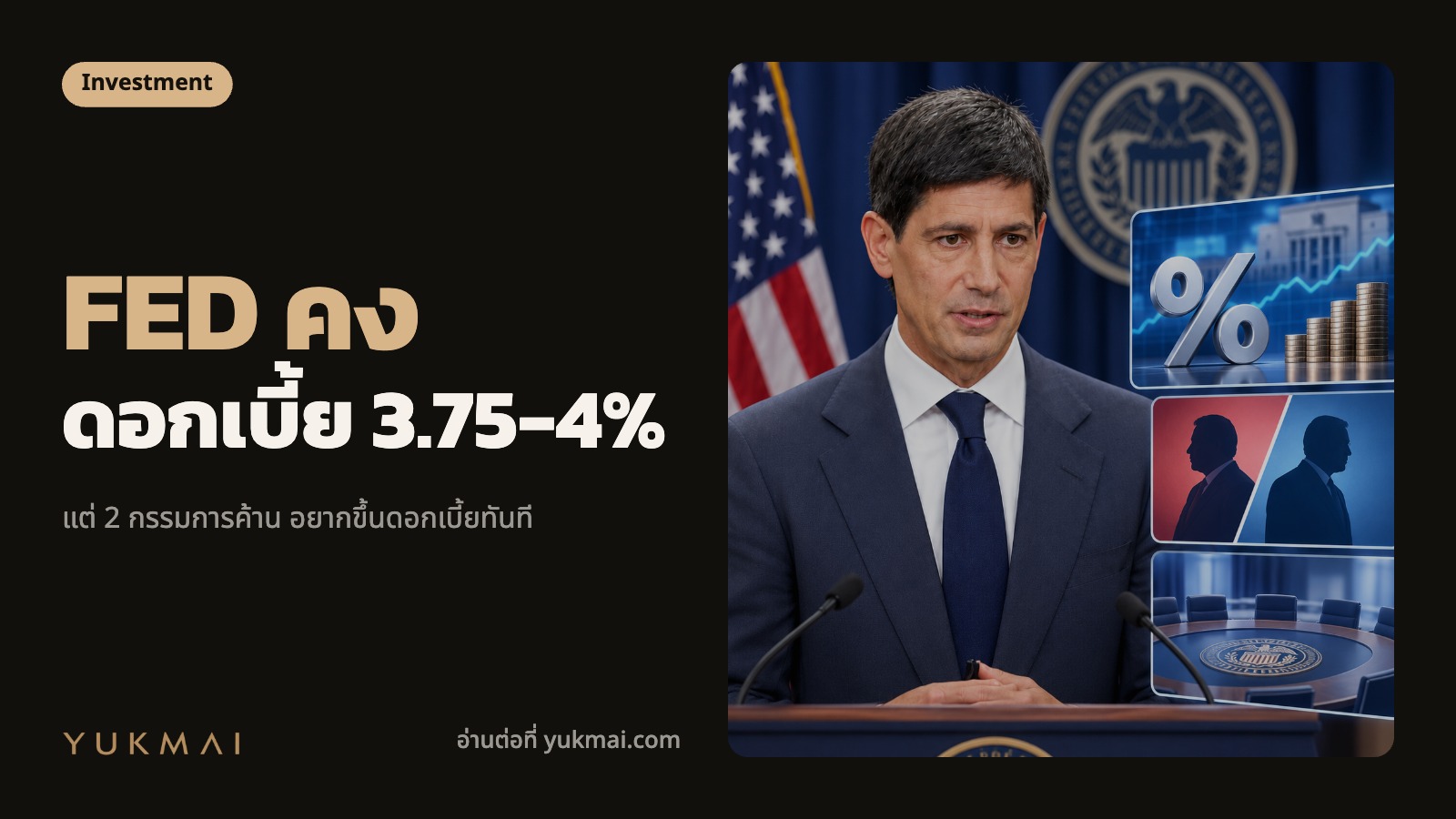
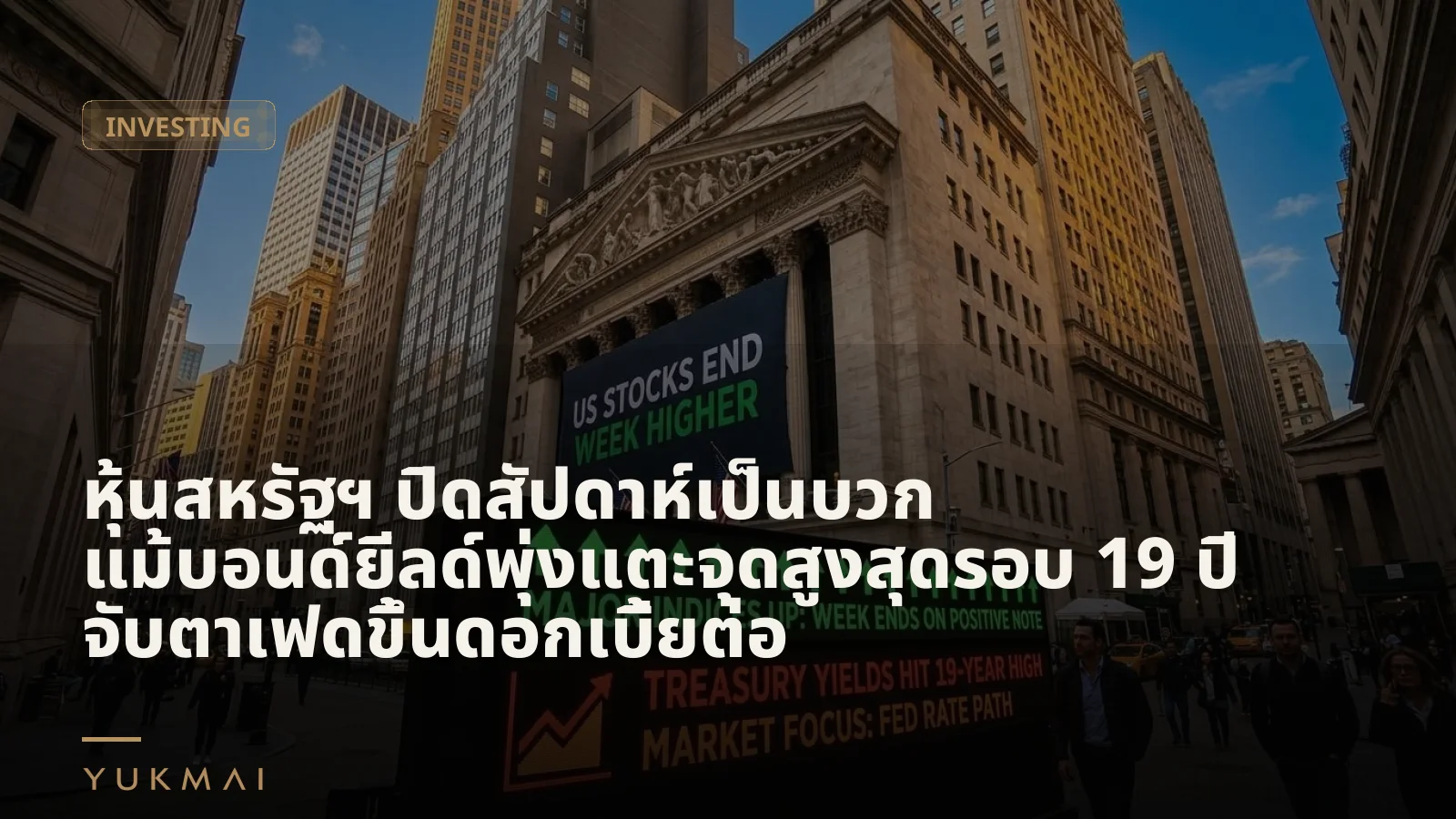
US stocks closed out the week higher, with all three major indices posting weekly gains despite Treasury yields surging to their highest level in nearly 19 years. In Friday's September 25 session, the Dow Jones Industrial Average closed at 51,828.62, up 478.64 points or 0.93%, snapping a three-week losing streak. The S&P 500 finished at 7,743.41, up 0.51%, while the Nasdaq Composite closed at 27,068.72, up 0.48%. The CBOE Volatility Index (VIX) fell 5.11% to 14.87, reflecting an easing of investor anxiety heading into the weekend. Even so, the 10-year Treasury yield held near 5.18%, its highest level since the 2008 global financial crisis, underscoring bond-market concern that the Federal Reserve may need to keep rates elevated for longer. The Fed had raised its target rate on September 16 to a range of 3.75%-4.00% in a unanimous 12-0 vote the first rate hike in more than three years. Fed Chair Kevin Warsh said too many inflation categories remain above the Fed's 2% target, and pointed to crude oil, which had spiked as high as $113 a barrel in April, as a key driver of inflationary pressure. The Fed's own projections point to one more hike this year and roughly two more in 2027, while markets are pricing in as many as three additional hikes by mid-2027.
On the data front, the University of Michigan's final September consumer sentiment reading fell to 48.1, a four-month low, with analysts attributing the decline to elevated fuel prices and re-escalating trade tensions weighing on American households. The reading suggests that even as equities rallied into the weekend, concerns over the cost of living and inflation remain elevated at the household level. In commodities, WTI crude fell 2.33% to $92.41 a barrel and Brent crude dropped below $98, easing inflationary pressure somewhat, while gold rose 0.54% to $4,321.20 an ounce as investors sought safe-haven assets amid uncertainty over the rate path.
On the geopolitical front, President Trump and President Xi Jinping capped their state visit by announcing an AI Safety Summit to be held in Shenzhen, China this November, even as limited progress was made on trade issues. The announcement signals that both nations still see value in AI-related cooperation mechanisms even as technological competition between them intensifies.
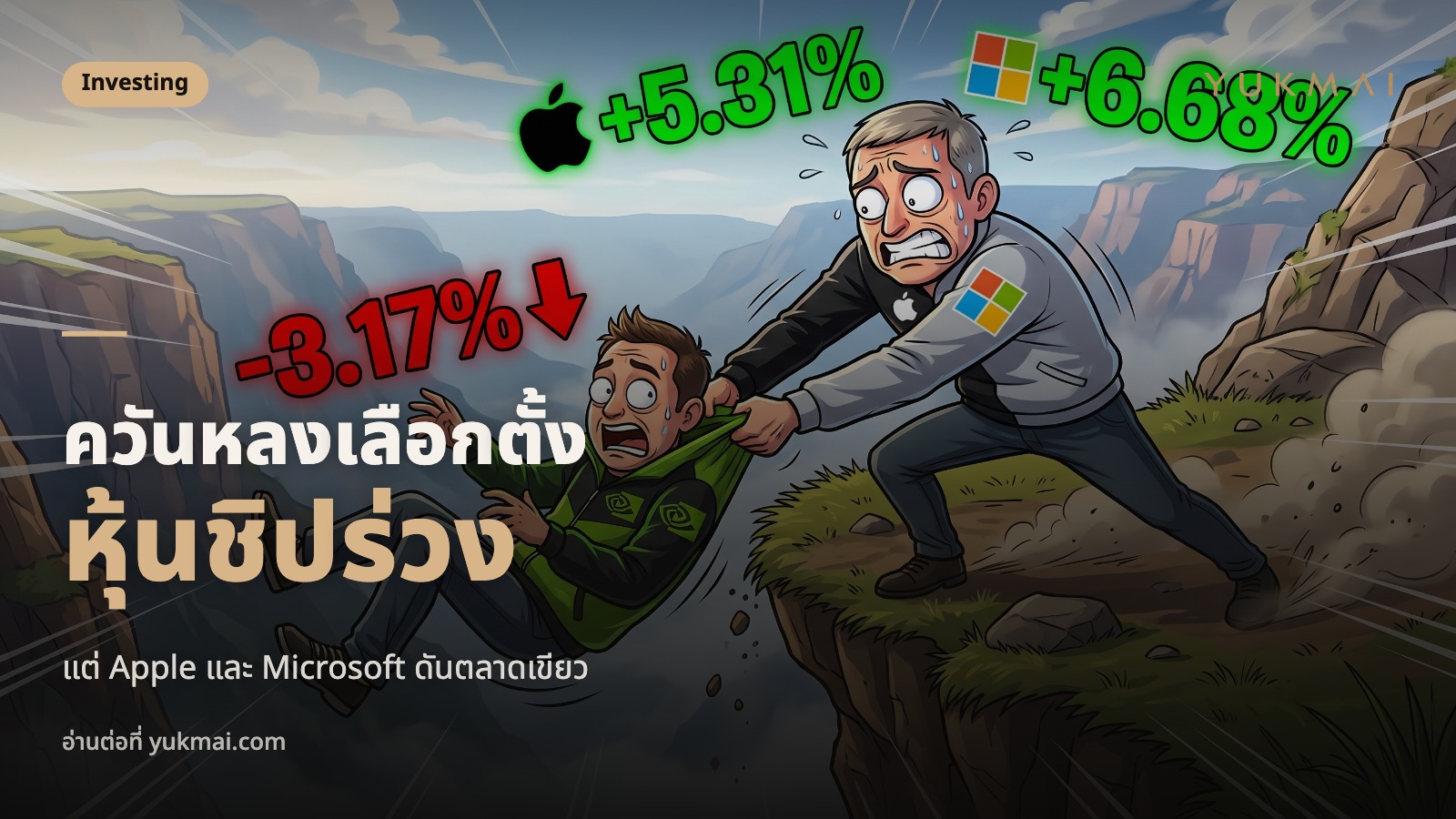
Technology was another focal point of the week. Meta Platforms shares surged roughly 16% for the week after the company unveiled its new "Muse" AI agent at its Connect 2026 event, a launch that was well received by investors and helped lift South Korean chip stocks in sympathy. Microsoft, meanwhile, unveiled a revamped Copilot platform, underscoring the intensifying competition among big tech firms in the AI assistant market. In retail earnings, Costco Wholesale beat expectations for its fiscal 2026 fourth quarter, reporting revenue of $95.72 billion and earnings per share of $6.75; executives said the company's membership base remains "very resilient" even as the broader economy contends with rate and inflation uncertainty.
Taken together, this week's developments reflect two competing forces in global markets. On one side, strong corporate earnings and continued enthusiasm for AI technology are drawing sustained investment. On the other, the bond market and consumer sentiment data are both flashing warnings that elevated inflation and interest rates remain a key risk heading into the final quarter of the year. Investors will be watching the Fed's next meeting in October closely for signs of whether the additional rate hike markets are pricing in will materialize.